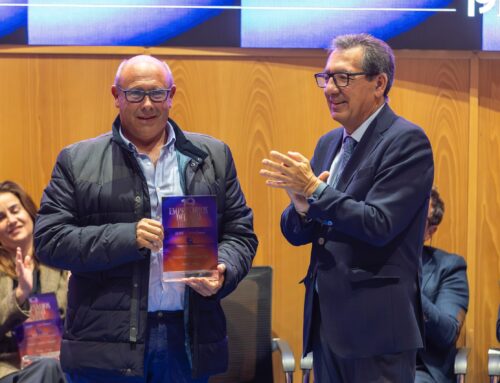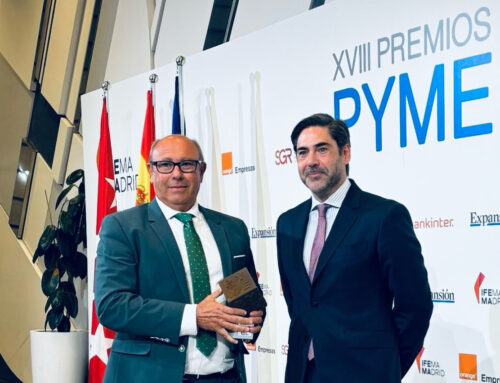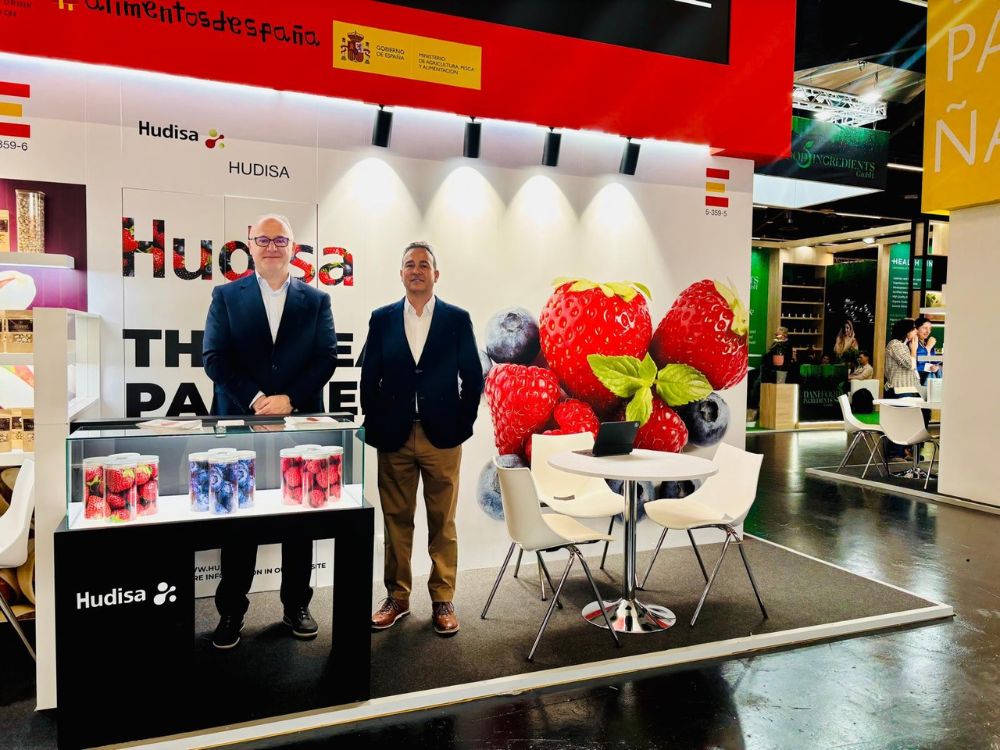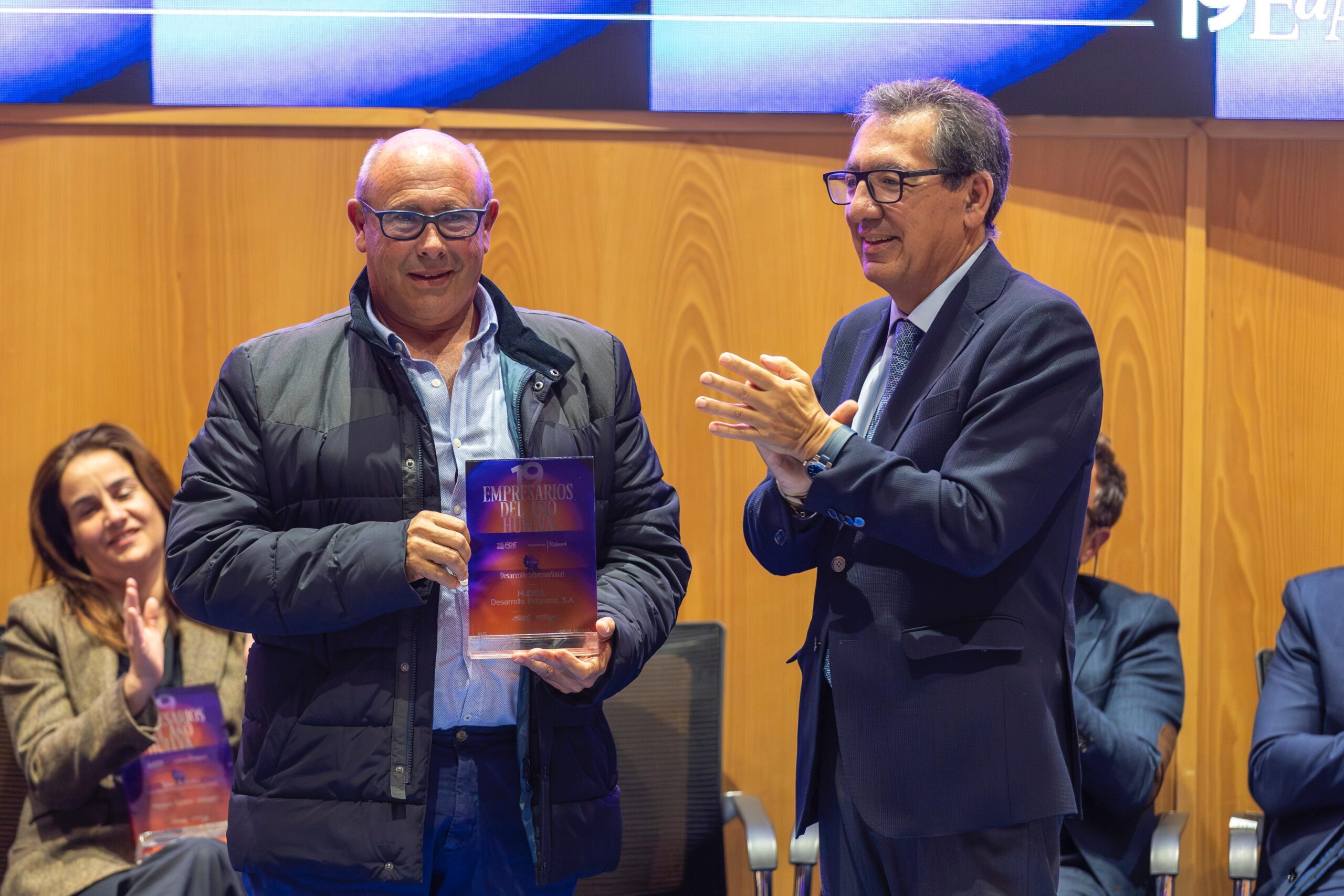
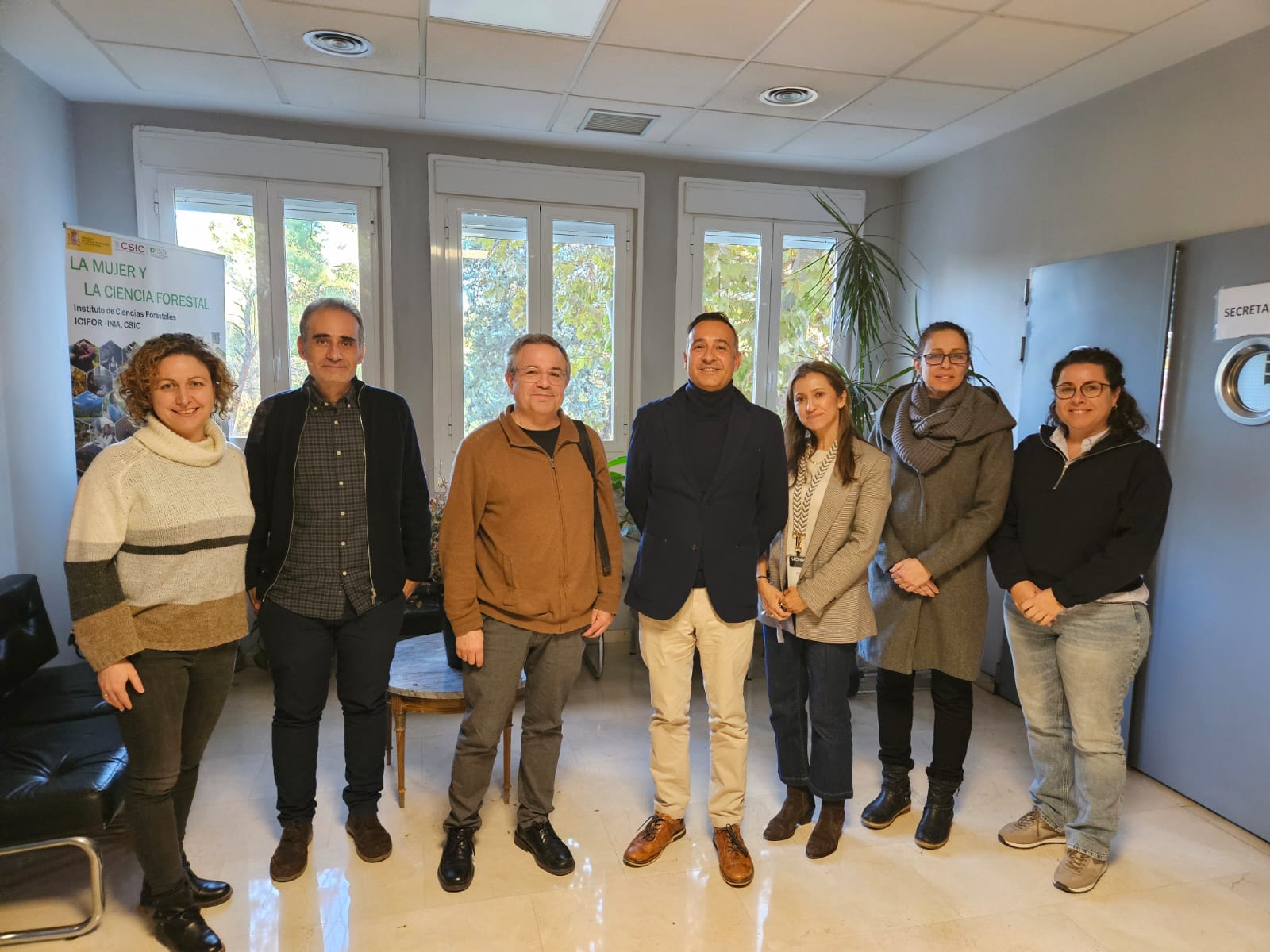
Lepe, 3 December 2025. HUDISA, a leading company in the processing of berries in southern Europe, has confirmed its participation in AgroSustec, an R&D&I research project funded by the Community of Madrid and coordinated by the Autonomous University of Madrid (UAM), together with other prestigious scientific institutions such as the UCM, UPM, INIA-CSIC, and UNED. The collaboration came about after the conference held on Thursday, 27 December at INIA-CSIC, which was attended by Joaquín Malagón, CEO of HUDISA, Raquel de Llano, Head of Food Quality and Safety, and Mª José Suárez, Head of the same department.
AgroSustec – an acronym for Biorefinery, Decarbonisation and Digitalisation for a Sustainable Agri-Food Industry – brings together more than thirty specialists with a common goal: to help the agri-food industry become more environmentally friendly, more efficient, and better able to make use of the resources it works with. To this end, the project proposes new ways of making use of the waste generated in the sector, reducing emissions, using cleaner energies, and applying digital tools that facilitate decision-making and continuous improvement of processes.
The project will develop new techniques for transforming plant waste and by-products into useful materials, such as more sustainable packaging or components for energy technologies. Methods for capturing and reusing the CO₂ generated in industrial processes will also be studied, converting it into valuable products instead of discarding it. Added to this is the promotion of renewable energies obtained from biomass waste and the search for solutions to make industries more efficient and less dependent on fossil fuels. All the work will be accompanied by a detailed analysis assessing the environmental, economic, and social impact of each advance.
The incorporation of HUDISA gives AgroSustec the opportunity to work directly with a company that operates on a real scale, which is essential for the proposed technologies to be applied in the day-to-day running of the industry. HUDISA will contribute its experience in processing berries – purées, concentrates, and frozen fruit – as well as access to key materials and processes, so that the project can test solutions for waste utilisation, emissions reduction, and digitalisation. The company will also contribute its knowledge of food safety and quality, which will help to ensure that the technologies developed are truly useful and safe for future implementation.
For the farmers who work with HUDISA, this participation is an important step. The project will give a second life to some of the waste generated during fruit production and processing, promoting a more sustainable and efficient value chain. Research aimed at reducing resource use and emissions will also benefit producers, as it will help promote more responsible agricultural practices in line with the growing demand for sustainable products in international markets. In this way, both farmers and industry will be strengthened in terms of competitiveness, sustainability, and innovation capacity.
‘AgroSustec allows us to move towards a more circular model, where innovation and sustainability are integrated into the heart of our activity,’ said Joaquín Malagón, CEO of Hudisa. He added that ‘participating in this programme is a unique opportunity to transform the challenges of the agri-food industry into value for our farmers, customers and consumers.’ Malagón finally stressed that ‘the future lies in alliances that combine science, technology, and business commitment, and HUDISA wants to be at the forefront of that transformation.’
With its participation in AgroSustec, HUDISA is taking a decisive step in its commitment to sustainability and innovation, focusing on the development of solutions that not only improve its own processes but also contribute to the responsible growth of the entire agri-food sector.
About HUDISA
HUDISA processes and markets purées, concentrates, and frozen fruit in three product lines: Conventional, Babyfood, and Organic. It is currently the leader in southern Europe in terms of processed berry volume, with a presence in more than 30 countries and on five continents.